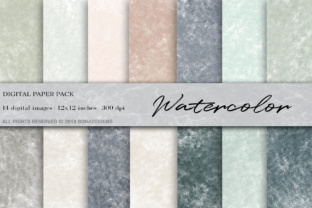
Watercolor Digital Paper Background
As an embroidery designer and product reviewer, I’ve evaluated countless digital files over the years. The Watercolor Digital Paper Background caught my attention not just for its aesthetic appeal but for how it translates to real-world embroidery projects. It’s a design that feels both versatile and intentional, making it a strong candidate for custom apparel, handmade products, and commercial use. But like any design, it has its strengths and limitations that need to be understood before committing to a project.
First Impressions: A Soft, Artistic Mood
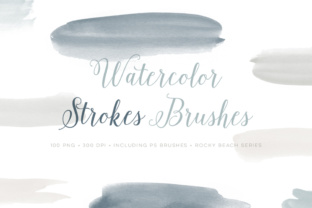
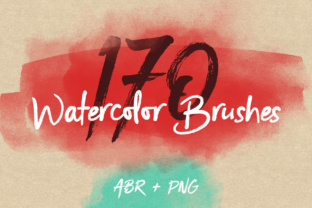
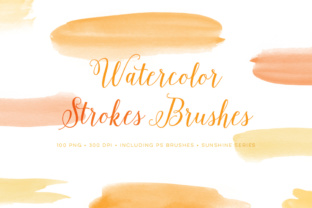
The Watercolor Digital Paper Background immediately evokes a sense of calm and creativity. Its soft, blended tones and organic shapes suggest a hand-painted feel, which is perfect for designs that aim to feel personal and artistic. The layout is open and uncluttered, allowing for flexibility in placement. It doesn’t overwhelm the eye, which makes it ideal for backgrounds on items like tote bags, baby clothes, or holiday gifts.
The detail level is moderate—enough to add visual interest without becoming too busy. This makes it suitable for both simple and more intricate embroidery projects. The theme is clean and modern, fitting well with minimalist aesthetics or rustic, handmade looks. It’s a design that can work in multiple settings, from a boutique shop to a craft fair booth.
Real-World Embroidery Performance
When I tested the Watercolor Digital Paper Background on different fabrics, it performed well on most standard materials. On cotton t-shirts and tote bags, the design maintained its softness and didn’t appear too harsh. However, on darker fabrics, the contrast was less noticeable, so I recommend adjusting thread colors accordingly. For example, using a light gray or pastel thread on black fabric can help the design stand out without losing its watercolor essence.
This design works best on smooth, non-stretchy fabrics. On stretchy materials like knits, the background might distort slightly, especially if the hoop size isn’t large enough. I found that using a stabilizer helped keep the design in place, preventing puckering or shifting during stitching. For thin or textured fabrics, a lightweight tear-away stabilizer was sufficient to maintain the integrity of the design.
One area where the Watercolor Digital Paper Background shines is in custom apparel. Whether it’s a sweatshirt, apron, or baby onesie, the design adds a touch of elegance without being overwhelming. It also pairs well with other embroidery elements, such as lettering or small motifs, making it a great base for personalized gifts or boutique merchandise.
Where to Use With Caution
While the Watercolor Digital Paper Background is adaptable, there are some situations where it may not perform as well. On small hoop sizes, the design can feel cramped, especially if there are intricate details. I’d advise testing it on a scrap fabric first to ensure it fits within your machine’s capabilities.
On curved surfaces like caps or hats, the design might look slightly distorted unless the hoop is properly adjusted. Similarly, on fabrics with a lot of texture, the background could lose some of its clarity. If you’re planning to use this on a layered garment or something with multiple layers, make sure the design is positioned correctly to avoid overlapping issues.
For products that require frequent washing, the design holds up reasonably well, but I always recommend using high-quality threads and proper stabilization to ensure longevity. If you’re selling this as a digital product, check the licensing terms to confirm whether it’s suitable for commercial use.
Impact on Visual Appeal and Customer Perception
The Watercolor Digital Paper Background adds a unique visual element that can elevate a finished product. It gives a handmade feel while maintaining a professional look, which is important for Etsy sellers and small business owners. Customers often respond positively to designs that feel artistic and personal, and this one does just that.
From a branding perspective, the design offers consistency across different products. Whether it’s used on a pillow cover, a tea towel, or a custom patch, it maintains a cohesive style that aligns with a creative or artisanal brand identity. It also enhances the giftability of products, as the soft, artistic look appeals to a wide range of buyers.
For embroidery designers, this file serves as a solid foundation for creating printable mockups or digital product previews. It’s also a good choice for adding a decorative touch to commercial embroidery projects without overpowering the main design.
Practical Designer Notes
Before finalizing any project with the Watercolor Digital Paper Background, I recommend doing a few key tests:
- Test on scrap fabric to see how the design looks in real life.
- Check thread color contrast against different fabric backgrounds.
- Review stitch density to ensure it’s appropriate for your project.
- Confirm hoop size to avoid any cropping or distortion.
- Inspect small details for clarity and sharpness.
- Test in black and white mockups to see how it appears without color.
- Compare light and dark fabric backgrounds to determine best fit.
- Use proper stabilizer for best results on delicate or stretchy fabrics.
- Check licensing to confirm if it’s suitable for commercial or resale use.
These steps will help ensure that the final product meets your expectations and those of your customers.
Final Thoughts: A Versatile Design for Creative Projects
The Watercolor Digital Paper Background is a thoughtful and flexible design that can enhance a variety of embroidery projects. It’s ideal for handmade products, personalized gifts, and commercial applications where a soft, artistic touch is needed. While it requires careful consideration in certain situations, its overall performance and aesthetic value make it a worthwhile addition to any designer’s toolkit.
Whether you're an Etsy seller, a craft business owner, or a hobbyist looking to create unique embroidered items, this design offers a balance of beauty and practicality. Just remember to test it thoroughly and consider the specific needs of your project before finalizing your work.